How Roadside Tacos went from handwritten tickets to full digital — QR codes, kiosk, and KDS — and freed up enough staff to put a second truck on the road full-time.
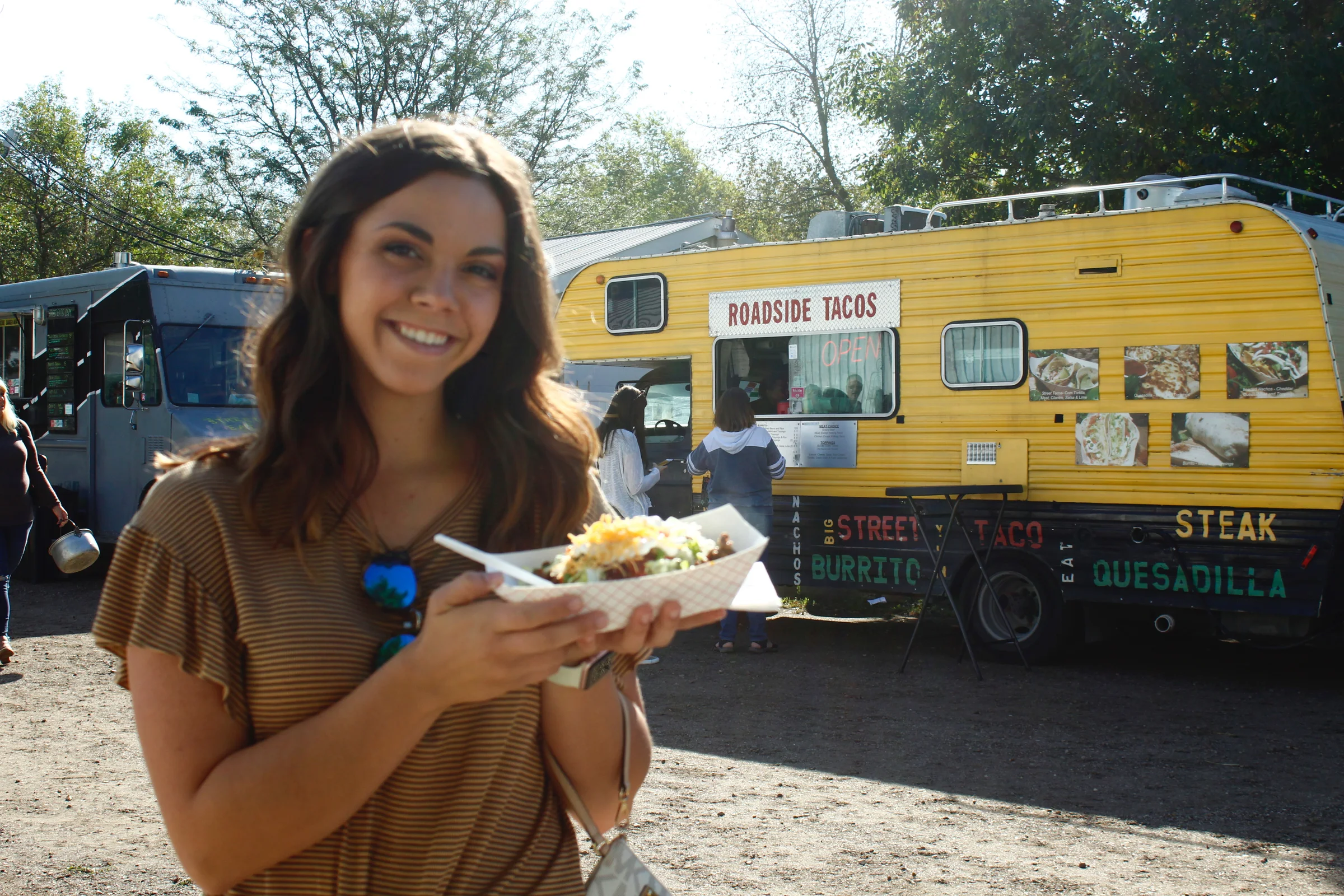
Grant Montour built Roadside Tacos out of a converted pop-up camper and a maxed-out credit card in 2014. Twelve years later, the operation spans two trucks and a tent stand, booking lunches, catering, farmers markets, and festivals around Des Moines.
Today he puts almost every order through Flash Order — and that has freed up enough staff to put a second truck on the road full-time.
Before Flash Order, orders at Roadside Tacos were scrawled on the bottom of a food boat and handed down the line — until the wind took it. Square with a receipt printer came next. It bought better accountability between cashier and cook, but the printed tickets blew away just as easily.
Today the system is Flash Order end to end — QR codes on the truck for customers waiting in line, a single kiosk for cash payers, and live orders streaming to the kitchen display. No more boats, no more tickets flying off — every order gets made exactly how the customer entered it. On a typical event, Grant estimates 100% of sales run through the platform; the only exceptions are small-town stops where nearly the whole crowd is older and prefers to order by hand.
The upsells take care of themselves, too. Roadside Tacos' street menu lists just the entrées — tacos, burritos, nachos — and employees are trained to upsell from there. The Flash Order menu goes further, surfacing queso, a rice-and-beans combo plate, extra cheese, and extra sour cream automatically, so customers add it themselves before they ever reach the window. When Grant runs a cash-only pop-up without Flash Order, he feels the difference immediately: "I know I'm not getting the upsells, and that irritates me." He can train a cashier to upsell the combo plate — he can't be sure they're doing it when he's not standing there.
The crew also gets a jump on every order because they can watch it build in real time, right as a customer taps through the kiosk or their phone. There's no waiting for someone to finish at the register, and no relying on a cashier to call it back correctly — prep can start before the ticket even prints.
"The customer is paying a tiny fee to put their order in, compared to me paying $20 an hour for someone to do that for them. It just doesn't make sense to go back."
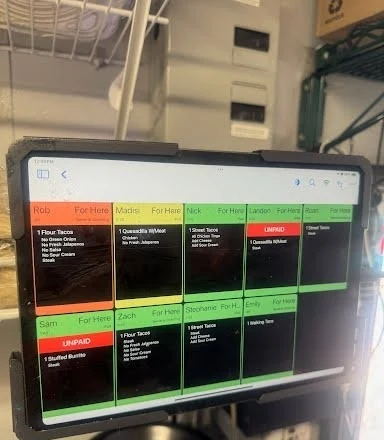
On a normal shift, each truck now runs on two people instead of three — the third only comes along as an expediter on high-volume days. At a typical event, 100% of sales run through the platform. And at the same Saturday farmers-market weekend, sales came in $600 ahead of the prior year, even on a lower-traffic day.
The staffing that used to go to taking orders now goes further: it freed up enough people to put a second truck on the road full-time.
Ask Grant whether other operators should make the switch, and he doesn't hedge.
"I would definitely tell other food trucks to do it — it's just dumb not to."
See how Flash Order can simplify your operation — in under 5 minutes.