For the owner of Chanko — a Japanese fusion restaurant in Florida — Flash Order's self-ordering kiosk didn't just solve a staffing problem. It transformed how his whole operation runs.
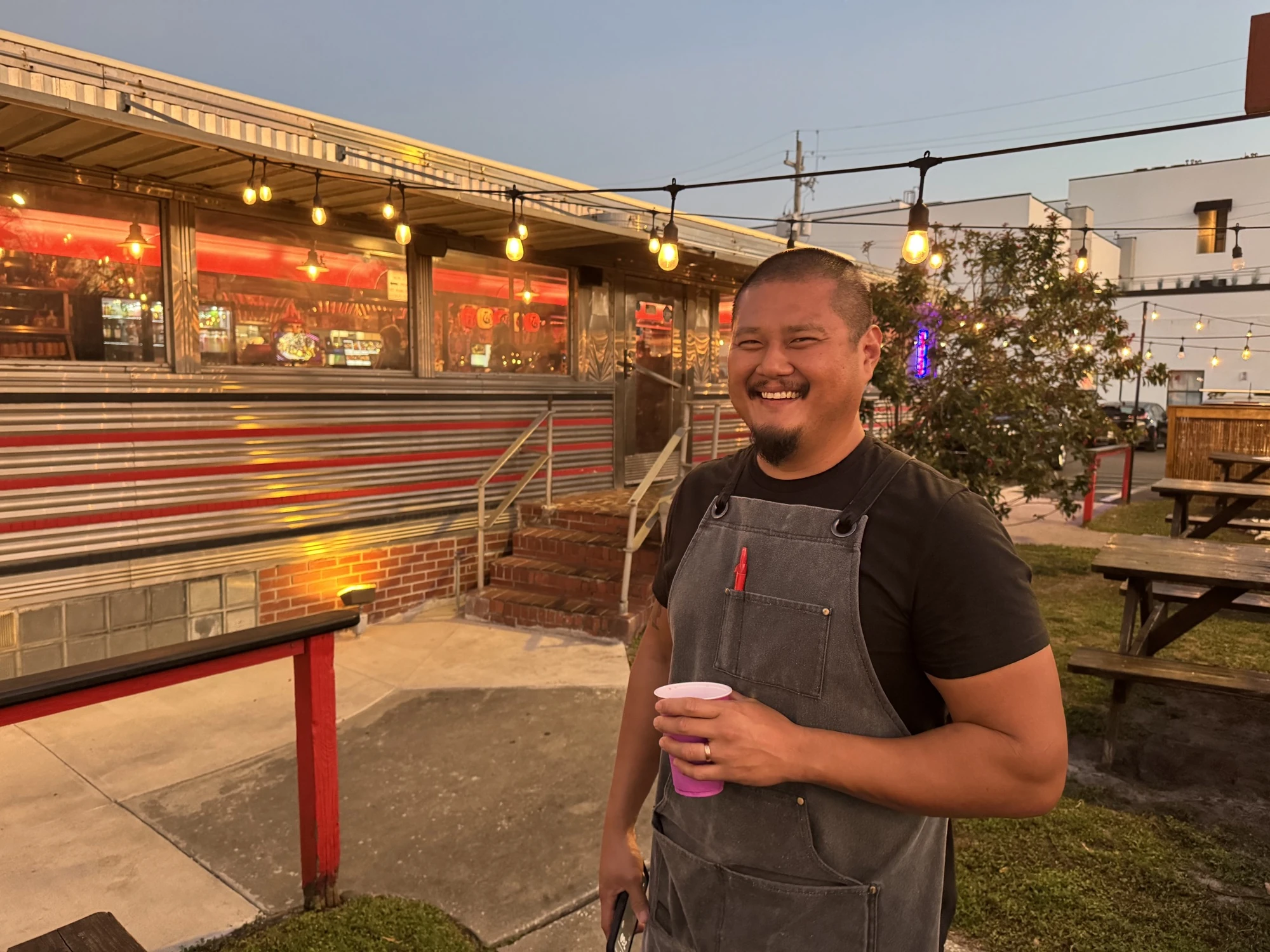
The owner of Chanko didn't come to the restaurant business through culinary school or an investment group. He came through the back door — literally. He started working in his family's Japanese restaurant at age 9, washing dishes and cooking, absorbing everything about how a kitchen runs. By 15, he had a foundation that most chefs spend years trying to build.
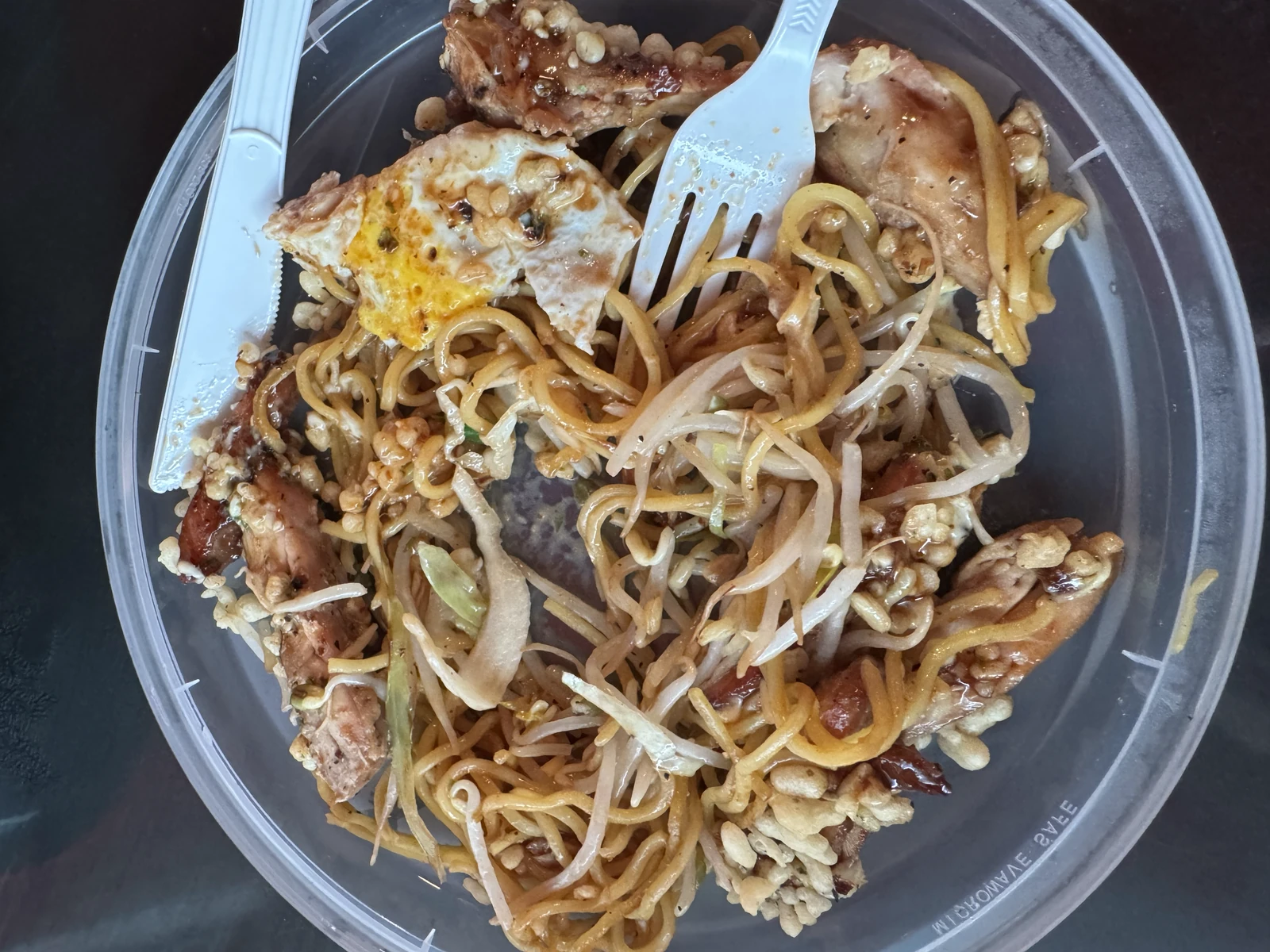
He saved up, bought a food truck, and has been building from there ever since — eventually growing into the standalone restaurant Chanko is today. The shop is a well-established fixture in Florida's food scene, known for Japanese fusion dishes and, increasingly, for a self-ordering experience that customers have come to prefer.
Running a quick-service restaurant means wearing a lot of hats. For a long time, Chanko's front-of-house was held together by a small crew — his wife and three employees — taking orders, fielding questions, and managing the constant flow of customers.
It worked, until it didn't. The problem wasn't any one person — it was the nature of the position itself. Customer-facing work in quick service is grueling. One difficult interaction — a rude comment, an unreasonable complaint — could leave an employee shaken for the rest of the day. Or the rest of the week.
"One shitty customer interaction could ruin their whole week. It was getting harder and harder to find people to do that position. I didn't want to put people in that position."
His wife had become the unofficial backstop. If someone called out, she covered. If the schedule fell apart, she stepped in. It wasn't a sustainable arrangement — it was a fragile one, disguised as flexibility.
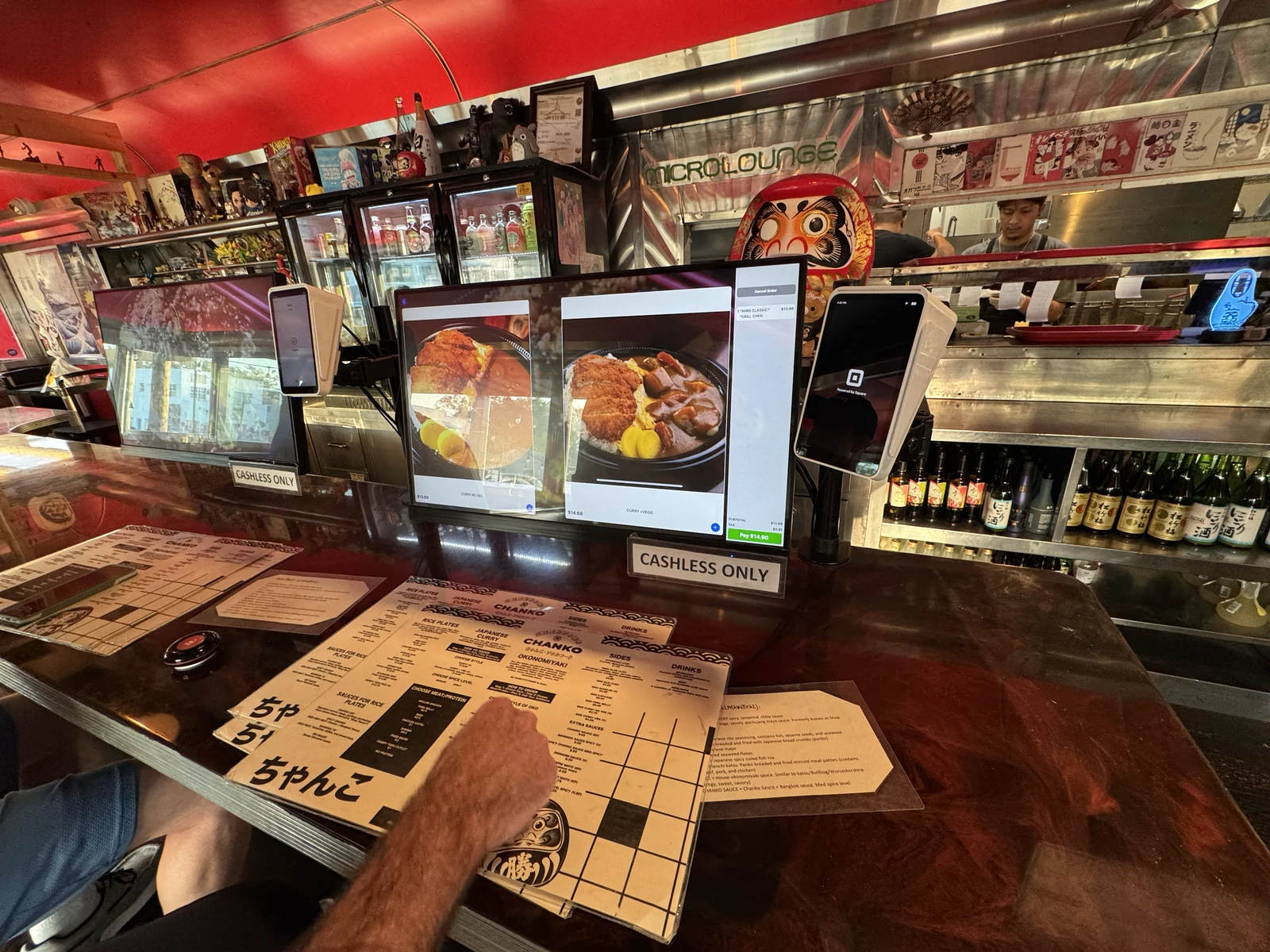
Chanko now runs self-ordering kiosks as the primary way customers place their orders. There's no cashier at the counter, no order-taker managing a line. Customers browse the menu, customize their order, and pay — all on the kiosk.
Orders flow directly to the kitchen via Flash Order's KDS, giving the kitchen crew real-time visibility into what's coming in. With 12 cooks on staff, the kitchen has the depth to absorb variability. The front of house no longer does.
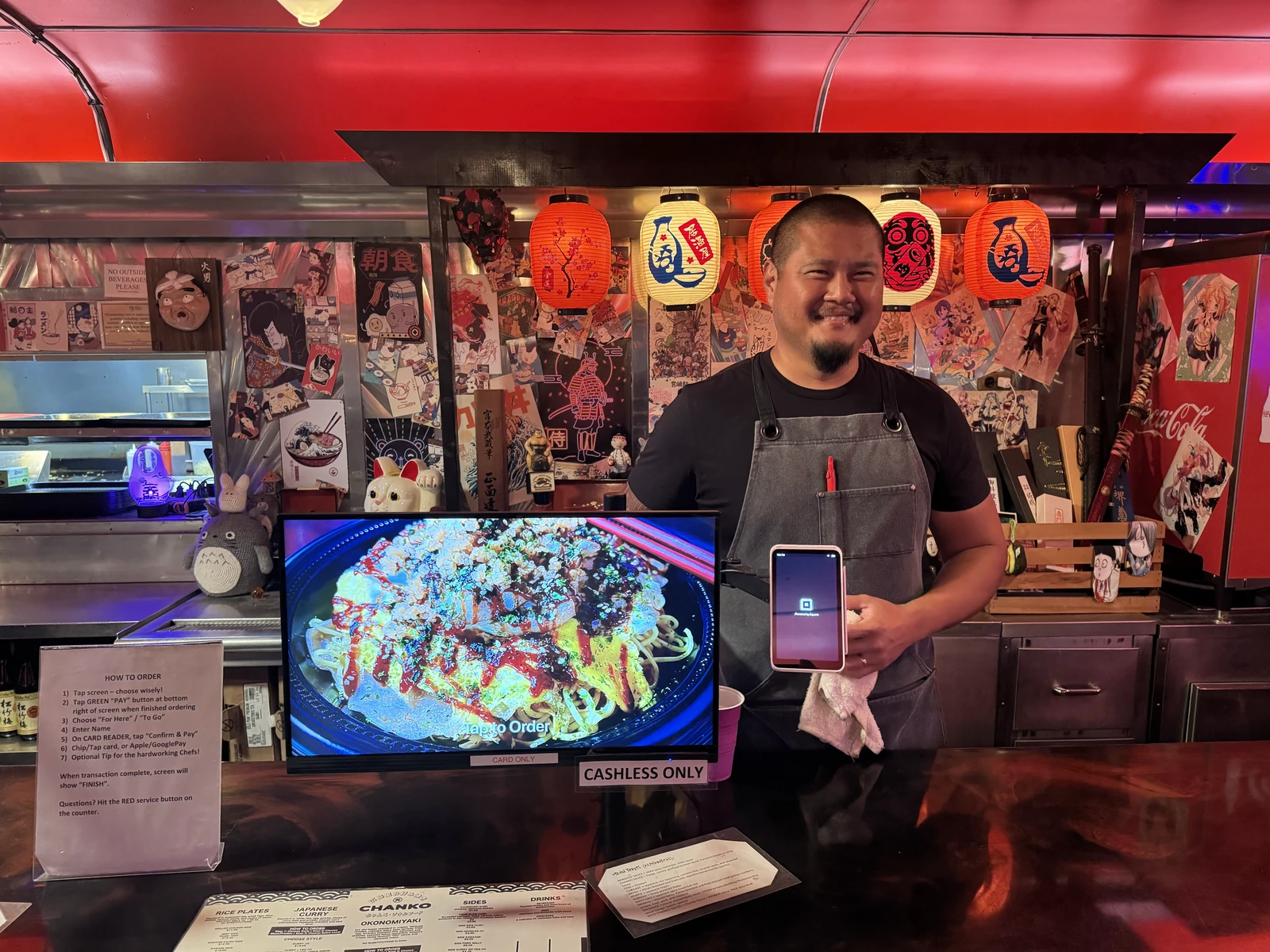
The owner still focuses on what he's best at: running a tight kitchen. He's not managing a front-of-house team, handling call-outs for that section, or worrying about who's covering the window when someone doesn't show.
He doesn't have exact numbers in front of him, but the math isn't complicated. Three full-time front-of-house positions, each paying $30,000–$36,000 per year before tips, add up to somewhere between $90,000 and $108,000 annually — recurring, every month.
Beyond the direct savings, there's the hidden cost he no longer pays: coverage. When one of three people running the front calls out, that's not just an inconvenience. That's a critical gap. In the kitchen, with 12 staff, losing one person is manageable. In a 3-person FOH crew, it's a crisis.
That crisis no longer happens. His wife — who spent years as the emergency backup, summoned without notice to cover a shift or an entire week — has stepped back from the front of house entirely. She comes in when she wants to now, sometimes helps in the kitchen. But the obligation is gone.
"That's how my wife's been able to retire. She literally just comes in and helps. She was always the backup front-of-house person — if somebody called out, surprise, you have to work today. That's been eliminated."
One thing that surprised him: the feedback hasn't been neutral. It's been positive. Customers are actively leaving reviews praising the ordering system.
He gets it. He's the same way when he goes out. If he can order without standing in front of someone and feeling the pressure of a line behind him — without having to make small talk when he's not in the mood — that's his preferred method too.
"There's a lot of people that like what we're doing and prefer it this way. We actually have reviews on our pages of people complimenting the ordering system."
The kiosk isn't a compromise. For a growing segment of customers, it's the better experience.
"Even for me — if I went to a quick service restaurant, this is my preferred setup. If I don't have to stand in front of somebody and place an order and feel the pressure… this is my preferred method."
Chanko isn't looking to reverse course. The kiosk system has simplified a part of the operation that used to require constant management, constant hiring, and constant damage control.
With the front handled, the focus stays where it belongs: on the food, on the kitchen team, and on the business. The rest takes care of itself.
"Overall, it's been great."
See how Flash Order can simplify your operation — in under 5 minutes.