A gluten-free fried chicken concept born from a family recipe grows into a brick-and-mortar — powered by a self-serve kiosk and kitchen display system.
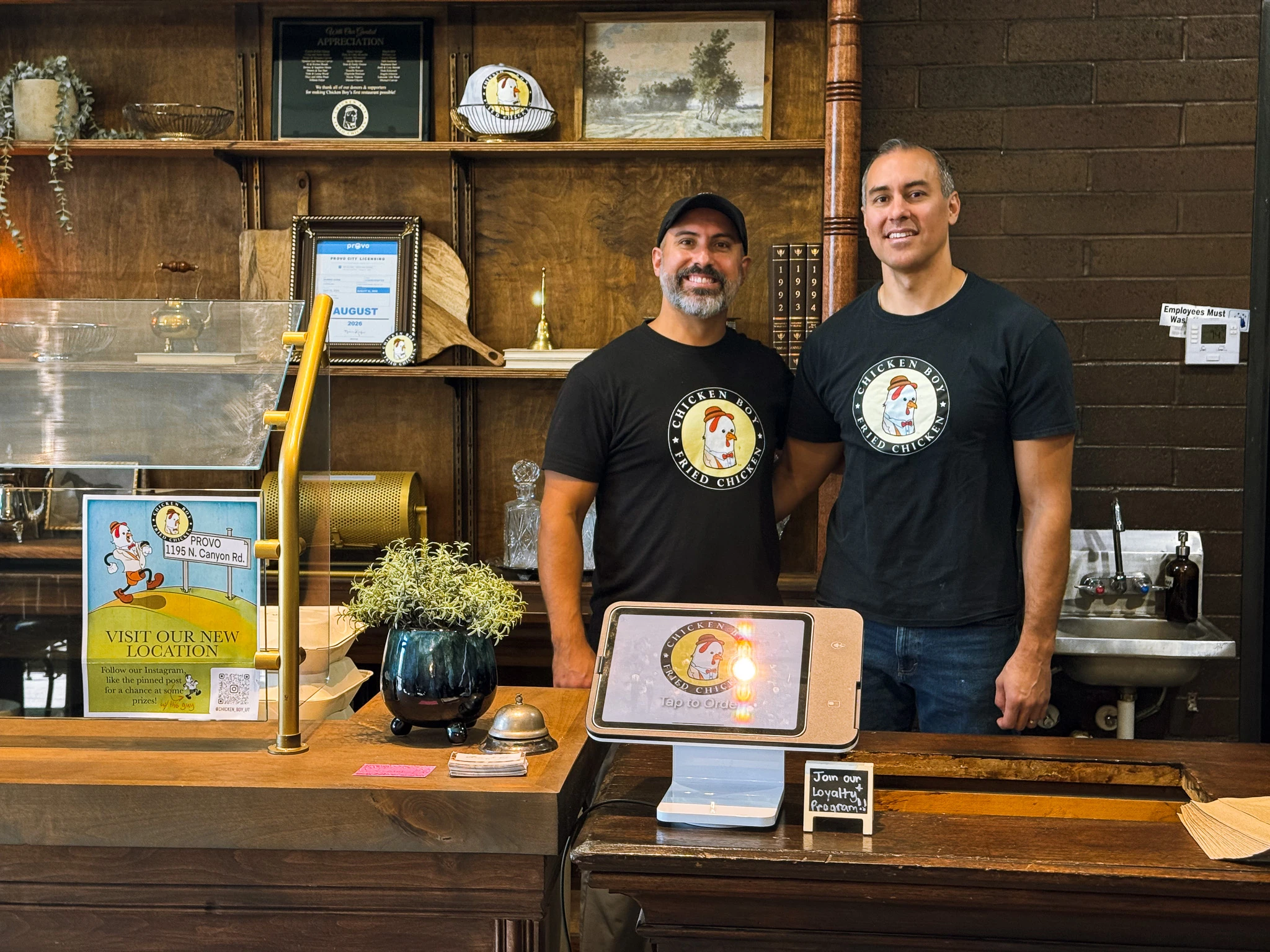
Chicken Boy started with a family recipe. Jared, a software engineer who developed a passion for food through years of travel, had been perfecting his fried chicken at home for years. When his daughter was diagnosed with celiac disease about nine years ago, he adapted the recipe to be fully gluten-free — and kept refining it until it was just as good, if not better, than any version he'd tasted before.
The concept went public when Jared's brother, who had been studying business, pushed to turn it into something real. With only two weeks' notice, they scrambled to debut at a gluten-free expo in Utah — prepping food at home, frying on small Walmart fryers, and cutting up seven to eight thousand pieces of chicken into nuggets. They sold out every day, had lines out the door, and gained 1,300 Instagram followers in under a week.
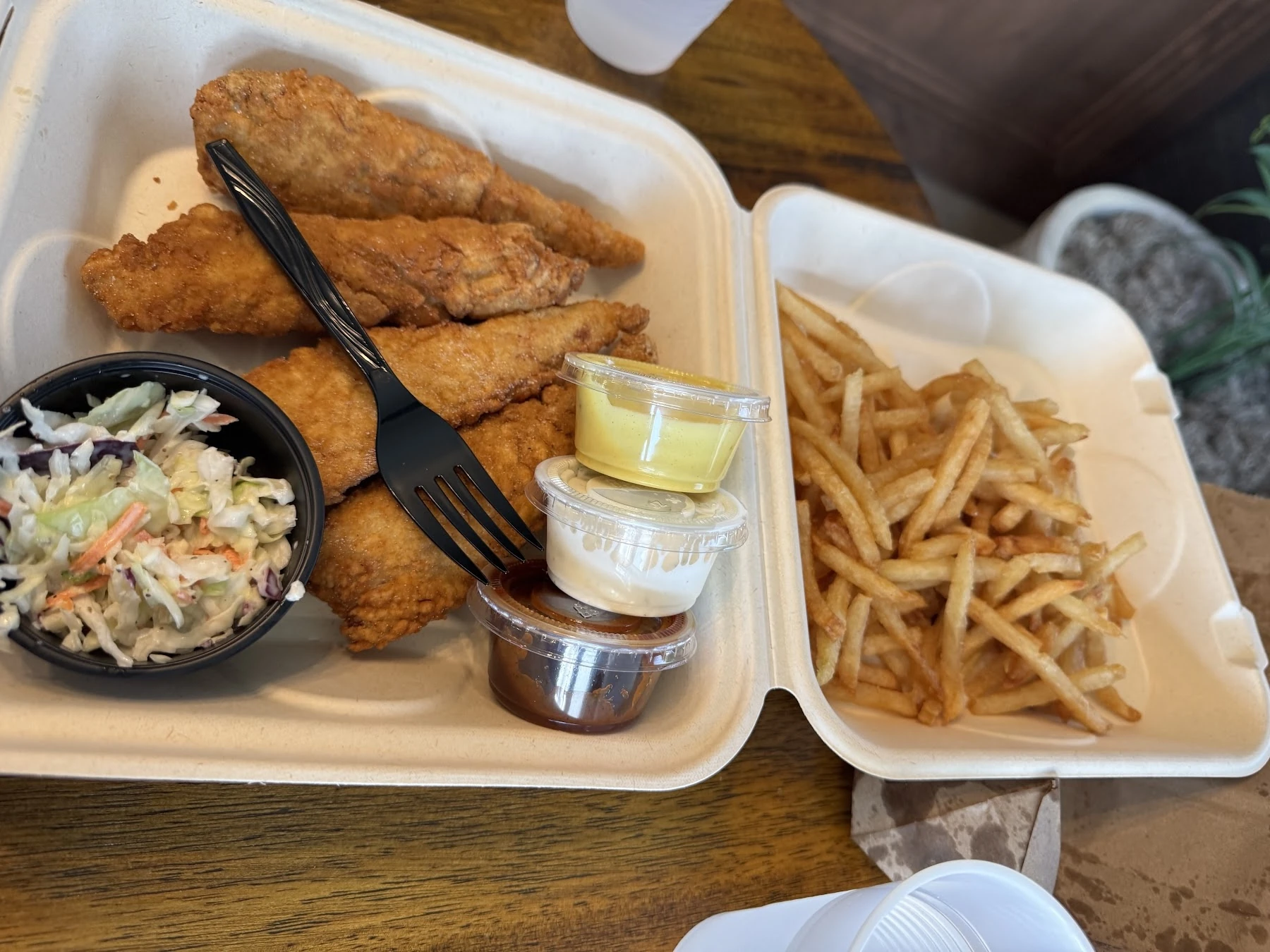
"We were seeing people cry after eating fried chicken. We're making more than just food — it's quite an impact on people."
After the expo, Chicken Boy launched out of a food trailer. Demand was real — at some events, the wait stretched to nearly three hours, with customers happily staying in line. But the operational setup was a constant struggle. A tiny fryer created a hard ceiling on output. The order system printed receipts that a small holder could only fit nine or ten at a time, and wind or paper jams made things even harder.
Cross-contamination risk became the tipping point. The commercial kitchen they relied on grew overcrowded, and every new event felt like a liability. After seven months on the trailer and nearly eight more months searching, they found a restaurant space, secured investors and crowdfunding, and made the leap. Two years after their first expo, Chicken Boy opened its doors as a brick-and-mortar.
Before opening, Jared's sister-in-law pushed back hard on the self-serve kiosk idea — worried that the warmth of the trailer's face-to-face ordering would disappear. Jared's answer: that personal connection was never going away. Just the dedicated labor cost of someone standing at a register.
"I still want the manager at the front welcoming people, asking if they have questions, being friendly and walking around. I just save on money and resources by not having a person whose only job is taking the order."
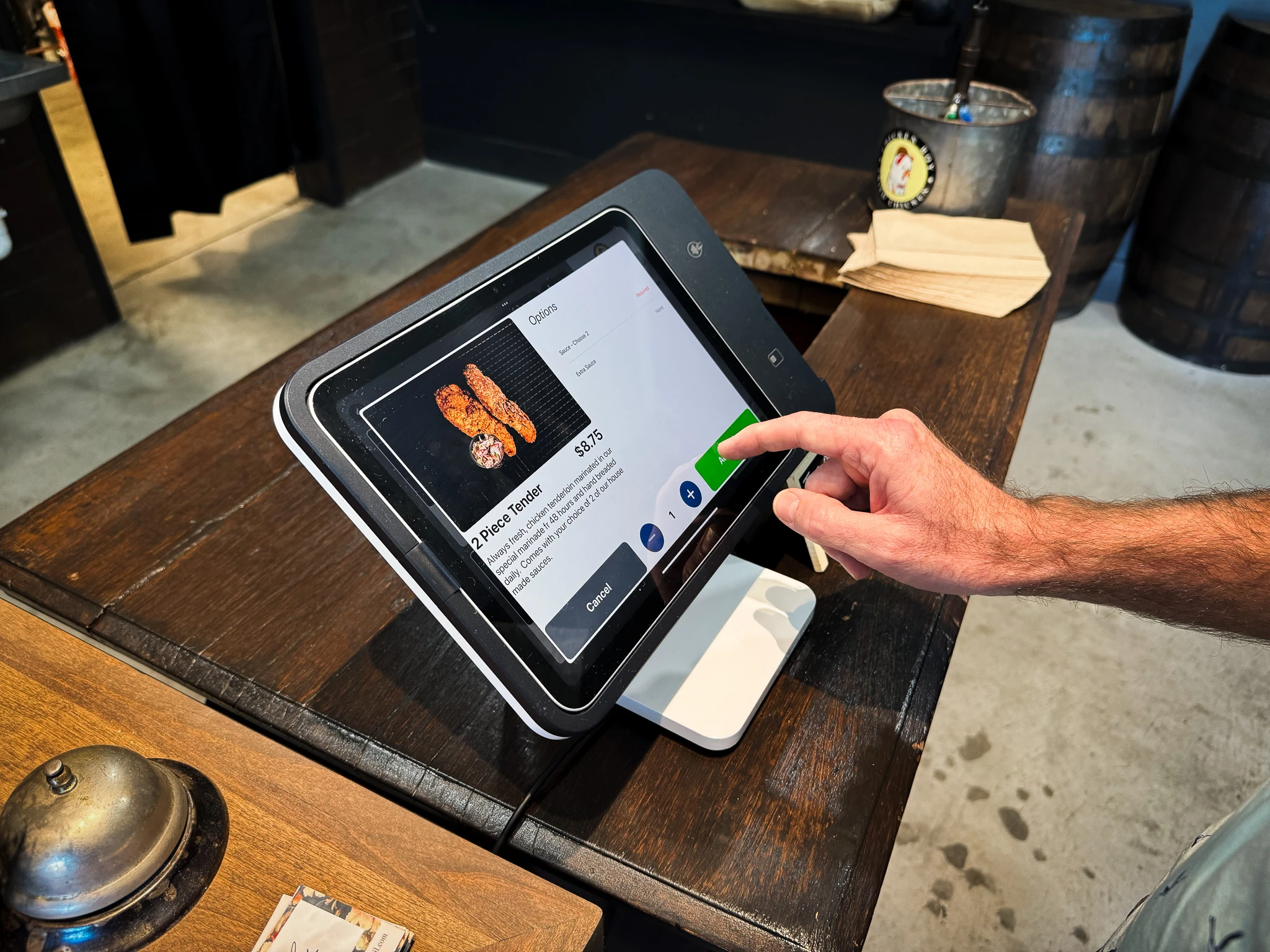
In practice, employees greet every customer, direct them to the kiosk, and make clear they're available for questions. That initial contact sets people at ease, and once customers see how simple the interface is, they move through it on their own. Return customers go straight to the kiosk without hesitation. Even customers Jared expected to struggle with it have surprised him — once they see the photos and the simple layout, it clicks.
Since opening, customer complaints about the kiosk experience have stayed at zero — and the model is on track for a roughly 20% reduction in employee wage costs vs. a traditional front-of-house setup.
Moving from printed receipts on a trailer to a kitchen display system was a bigger shift than expected — but a better one. The KDS shows all active tickets on screen, with a larger monitor visible to the whole kitchen. The key, Jared found, is communication: whoever manages the KDS calls out incoming orders so the rest of the kitchen stays in sync. No more paper blowing away, no more crinkled misprints.
A separate drinks station — sometimes staffed by family members, including Jared's 12- and 14-year-old daughters on weekends — pulls drink orders from the same KDS, marks them complete in red, and brings drinks directly to customers' tables. What Jared thought might need a walkie-talkie has run seamlessly.
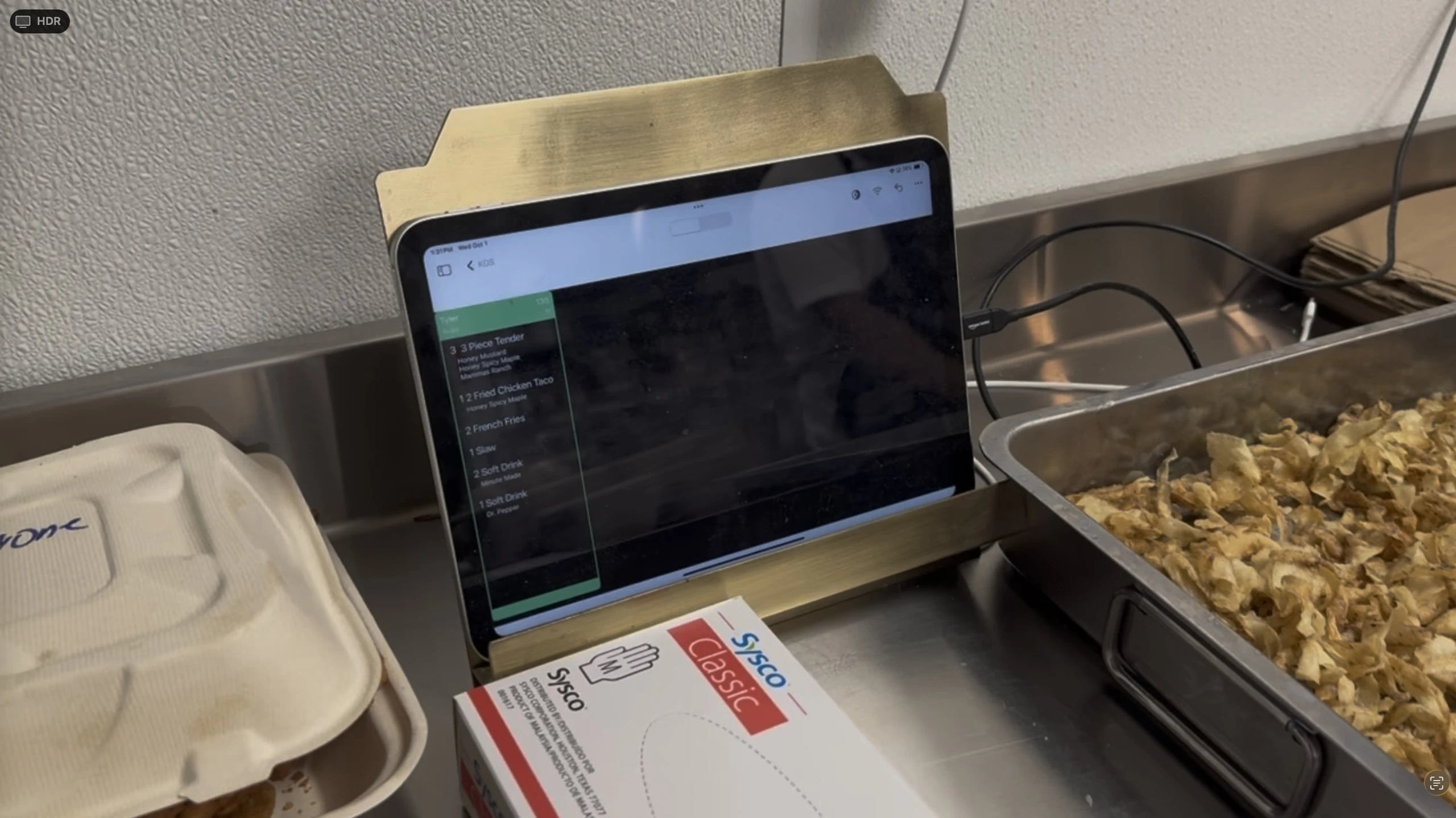
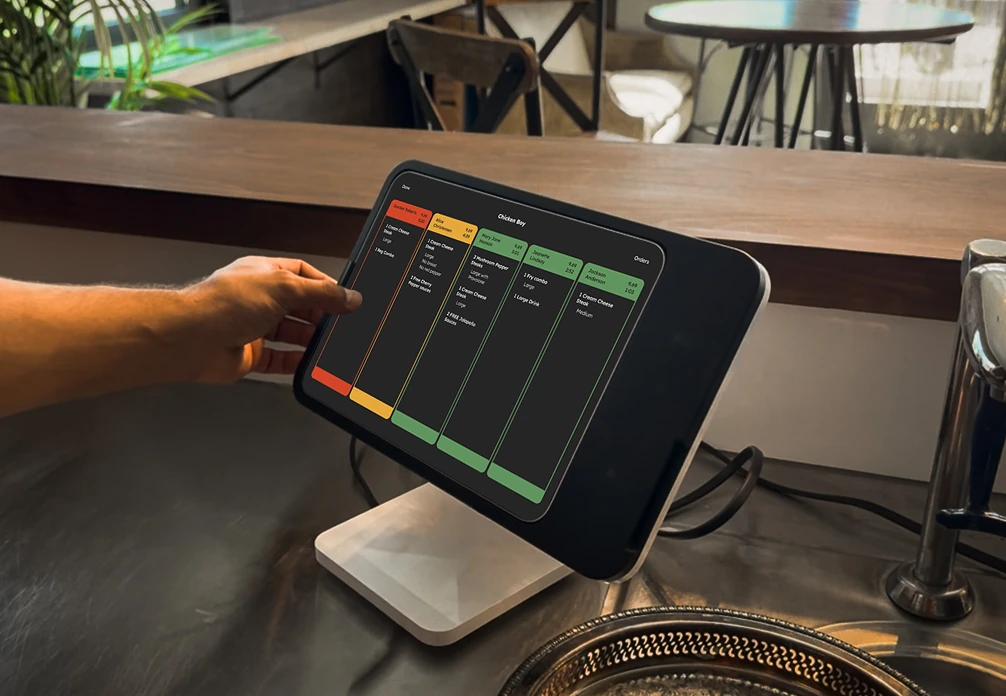
"I thought we were going to need a walkie-talkie to coordinate back and forth. But the way we have it set up, the drinks pop up on the screen, the person marks them off, and they go hand it to the customer. It's been pretty seamless."
The Square integration handles tip distribution automatically — calculating each employee's share based on hours worked during a given shift. Jared has kept the defaults (15%, 20%, 25%) and hasn't heard any complaints. The kiosk removes the awkward dynamic of tipping face-to-face, which was always uncomfortable on the trailer. Customers tip on their own terms, and some have gone well above the default options using the custom percentage wheel.
"Our customers are so great — they just love the food. Being generous with tips isn't necessary, but they still do it."
See how Flash Order can simplify your operation — in under 5 minutes.